Monday, March 23, 2009

Share and Voice: Erika's Spring Break Challenge

In case anyone didn't see Erika's Share and Voice: Spring Break post, she asked us to post a picture from our spring break. Since I was fortunate enough to travel around Europe during my five-week break last year, I decided to lay low for this year's break and only made it as far as central Wisconsin. I didn't really think about taking any pictures that were related to the environment, but I just remembered this one and it made me laugh:

The U.S. goes green!


I'll admit this definitely wasn't the original intention behind this - basically we just found that ridiculous Jell-o mold at a thrift store and had to try it, and we used lime Jell-o to make it green for St. Patrick's Day. Nonetheless, I think it fits the theme of this class very nicely as we all strive to make our country just a little bit "greener"!

Sunday, March 22, 2009

Share and Voice: Clean!

How to go from this...


to this...


...in no time at all!

And the best part is, you can still be environmentally friendly because no toxic cleaner is involved!


So I'm sure you're wondering what this is all about, and why I have pictures of a microwave, right? Well, I returned to my house after going away for spring break, only to find that someone had definitely exploded some sort of tomato-y food in our microwave. Of course, no one wanted to clean it up.

Since we recently talked in class about our dependence on chemical products, I decided I wanted a "green"-er way to clean our microwave. Besides, it dawned on me that using chemical cleaners to clean a microwave is not a very healthy decision - I don't know about you, but the thought of chemical residue heating up and seeping into my lunch doesn't sound very appetizing.

Anyway, I found this great website about homemade cleaners and decided to give the microwave cleaner a try:

Microwave Cleaner
Mix 2T baking soda or lemon juice and 1 cup water in a microwave-safe bowl. Microwave for five minutes or until the liquid boils and condensation builds up inside the microwave. Wipe down.


This recipe worked like magic! I used to spend far too long scrubbing baked food off the microwave walls, but this made it possible to clean everything up in only a few minutes. And, best of all, it used baking soda and water - two INEXPENSIVE ingredients I always have on hand.

It was such a great feeling to know exactly what I was using to clean - no long lists of toxic chemicals. I think I'm going to try and make all my cleaners from now on!


Thursday, March 12, 2009

Reflection: Weeks 7 & 8


Reading 16: Ill Winds: The Chemical Plant Next Door
This autobiographical article talked about one woman’s experience growing up in a small rural town. It was quite a shock to read and dealt with concepts of environmental injustice and the “NIMBY” (not in my backyard!) mindset that relate to the placement of hazardous chemical plants in areas of low population. I couldn’t believe the lack of regulation that some companies seem to get away with! Just because a town may be small, doesn’t mean that the residents can be treated as less than human! For a more in-depth look at my opinion about this reading, please read my article review.

Green
We watched this documentary last Tuesday and Thursday in class, and it exposed us to another example of environmental injustice. Green told the stories, town by town, of residents living in Cancer Alley in Louisiana. These people are facing all sorts of horrific situations including many types of rare cancers because they are forced to live so close to a high number of chemical plants and refineries. I found this documentary to be quite depressing due to the absolute unfairness of it all. Realizing the situations other people have to deal with every day made me feel rather spoiled, and greatly increased my appreciation for my current living situation here in Duluth. I also had to think about how all of my choices affect someone else – the products I buy and the chemicals they contain have to come from somewhere. Unfortunately, my cheap products are made at the disadvantage of other people. This was a concept I had never thought of before, and to be perfectly honest, it was one of those “ignorance is bliss” situations. For a more thorough look at this movie, take a look at the documentary review I wrote about Green.

Eye Opener
This activity introduced me to the Environmental Working Group, a group that "works to expose threats to your health, and the environment, and to find solutions." I used their Skin Deep Cosmetic Safety Database to test my favorite lotion, and learned that perhaps it isn’t doing my body as big of a favor as I thought it was! I liked this database because although it lists all the dangers of products, it also lists products with “safer” environmental scores. I find it to be quite unsettling how unsafe products seem to be… is there ANYTHING that’s not carcinogenic these days?

Reading 31: Privatizing Water
This reading discussed the pros and cons of privatizing water and focused on the story of Cochabamba, Bolivia. In this city, the government gave in to World Bank and allowed its water to be privatized, but immense pressure from citizen protests led to the cancellation of the contract. This is an issue I was previously unfamiliar with, and I found it hard to relate to. I think my disconnect stemmed from the fact that water is so abundant where I live that I am spoiled and can’t even imagine what it would be like to not have enough water.

Thirst
We began watching this documentary in class this week, but unfortunately were unable to finish it. It, too, discussed the concept of water privatization. The concept of water being an economic good vs. a human right was raised, and overall I just found this to be a confusing topic. How can someone say they own the water? I know the idea is that companies own the cleaning, transportation, etc. of the water, but still. It seems a little power-hungry to me. I was impressed by some of the ways communities in areas that receive low amounts of precipitation are able to collect their rainwater, and I wish everyone would be that responsible. If there’s one thing I’m sure about, it’s that the idea of a world-wide water shortage is a very scary one. Also, I believe everyone deserves access to affordable potable water.

Blogging
After blogging for almost eight weeks so far (this semester seems to be going so quickly!), it’s definitely become commonplace to check Google Reader almost every time I check my email now. Even though the blogging concept has gotten a lot easier, it’s still overwhelming because there always seem to be so many posts! Sometimes I just feel bombarded by information, but I do enjoy reading everyone’s Share and Voice posts. I feel like I have been introduced to so many neat products and ideas because of the informative posts from my classmates – great job everyone!

A Few More Thoughts
I think it was beneficial for me to be exposed to the topics we discussed in class these past two weeks. Although it’s difficult to hear about such grand-scale problems that seem impossible to fix, I think it’s important for everyone to be aware of them. Even though we may not feel directly impacted by such issues now, the time is probably not too far off when they will start hitting a little closer to home for many people. I thought it was interesting how the concept of privatizing water tied into environmental injustice with how poor people in rural areas were paying MORE for water than higher-income residents of cities. That is so unfair!

Also, today in class we briefly talked about how certain technology is in place (such as the air-powered cars), but the problem lies in the implementation of such technology. The layouts of cities and the mindset of our nation will need to be altered before some of these new concepts can become more mainstream. I think this shift towards “greener” technology is definitely underway, and hopefully it won’t be too much longer before some massive changes take place.

Thanks for reading, have a great spring break everyone!


(Photo taken by me near Split Rock Lighthouse, MN. September 2006.)

Tuesday, March 10, 2009

Share and Voice: "Blog On!" Blog Award


Hey guys!
I received the "Blog On!" blog award from Sara H. for my Share and Voice: Air Pollution and Environmental Injustice post. Thanks, Sara!

I would now like to pass this award on to Ben for his Share and Voice: Do You Have Any Good Ideas! Ben, that website was a really great find. Thanks for making us all aware of an easy way we can make our environmentally-friendly ideas heard. Excellent job!


Award Instructions
  1. Leave a comment below so that I know you "picked up" the award.
  2. Create a Share and Voice post that says you've received the award and indicate who the award is from (be sure to hyperlink).
  3. Also indicate to whom you are going to pass on the award and why. Be sure to hyperlink the blogger (use main blog URL) and the blog title (use the specific URL for that blog post).
  4. Copy and paste these instructions at the bottom of your post.
  5. Publish the post.
  6. Visit each blogger you've awarded and leave a comment telling them they've won.
  7. Continue the process...

Thursday, March 5, 2009

Share and Voice: Air Pollution and Environmental Injustice


Since we've been talking about the issue of environmental injustice in class this week, I was curious what other examples of this problem were prevalent in our country. One topic that caught my attention was exposure to air pollution, both indoor and outdoor.

According to the
American Lung Association, "communities of color in the United States have higher prevalence and death rates of the most common respiratory illnesses than do predominantly White communities".

Why is this? Here are the sad, but true, facts:
  • Asthma occurs disproportionately in low-income and urban communities, especially in inner-city African American and Hispanic populations.
  • Minorities live in greater concentrations both in areas that do not meet federal air quality standards and in areas with above-average numbers of air-polluting facilities.
  • African Americans were found to be more likely than Whites to live in areas with higher toxic air pollutants in every large metropolitan area in the country.
  • Compared to Whites, a higher percentage of African Americans live closer to industrial sources of air pollution, including toxic emissions, and were more likely to live near multiple sources of such emissions.
  • Power plants release nitrogen oxides and sulfur dioxide, which form particle pollution, and exposure to these pollutants has been linked to more than 550,000 asthma attacks and 23,600 premature deaths nationwide. 68% of African Americans live within 30 miles of a coal-fired power plant, compared to only 56% of Whites.
  • Communities of color and low income are also disproportionately located near freeways and other areas with heavy diesel truck traffic, and diesel refining, distribution, and storage facilities. Use of diesel fuel increases toxic air pollution, raising the risk of lung cancer and other lung diseases.

(Information from the "Environmental Injustice" page of the ALA website.)

Is it fair for minority populations to have to live in areas with substandard air quality? What can be done to equalize the pollution load amongst our population?


What do you think?


(Photo taken by Adam Jackson at stock.xchng.)

Review of Documentary: Green


The documentary Green was directed, produced, and edited by Laura Dunn in 2000.
Click HERE for additional information about the filming of this documentary.


Summary

This eye-opening film takes a look at the issues of environmental racism and environmental injustice, particularly focusing on Cancer Alley in Louisiana.

In the 1930s, the state of Louisiana offered tax exemptions for chemical plants that started up business there. This led to many chemical makers and refineries along the Mississippi River, stretching from Baton Rouge to New Orleans – an area now known as Cancer Alley. Presently, the concentration of chemical plants is astonishingly high, with around 150 petrochemical plants in the 100-mile stretch of land. These huge, wealthy companies give nothing to the surrounding poor communities (except for noise and chemical pollution). These companies are all self-regulated, of course, which leaves me with little hope that they are planning on changing their ways anytime soon. As if this isn’t bad enough, more plants are still being allowed to start up in this area. For example, the Japanese corporation SHINTECH was trying to build a PVC plant in Convent, Louisiana.

I found this documentary to be very effective because it was brought down to a personal level through interviews of the citizens that have to deal with this mess everyday. Their stories were heart-wrenching, and described the awful effects of their contaminated environment: children with high rates of asthma and nosebleeds, and especially all the cases of rare forms of cancer. The Mississippi River is highly polluted, and fish and shrimp can no longer be eaten from it. In some areas, the soil is so toxic that people have been forced to give up their personal gardens. Everything is contaminated by chemicals: the water, the air, the ground. It seems as if the dangers are inescapable for residents; in fact, minorities in this area experience disproportionate amounts of cancer.

Dunn did a great job of portraying environmental injustice through the stories of the citizens, but also through her cinematography. Certain shots such as the train with car after car bearing a chemical warning really drove home the extent of this problem. Also, the series of company logos that have plants in the area seemed to go on forever. At another point, charts were shown that depicted the high rates of air pollution concentration in Louisiana as opposed to other parts of the country.


New Terms

benzene: a sweet smelling, highly toxic hydrocarbon; long-term exposure to benzene is known to cause anemia and leukemia

Cancer Alley: an area along the Mississippi River between Baton Rouge and New Orleans, in the River Parishes of Louisiana, which contains numerous industrial plants

developmental toxin: substance that causes malformations of an embryo or fetus

environmental injustice: inequitable environmental burdens borne by groups such as racial minorities, women, residents of economically disadvantaged areas, or residents of developing nations

environmental justice: the movement to reverse environmental racism

environmental racism: intentional or unintentional racial discrimination in the enforcement of environmental rules and regulations, the intentional or unintentional targeting of minority communities for the placement of polluting industries, or the exclusion of minority groups from public and private boards, commissions, and regulatory bodies

neuroblastoma: a leading childhood form of cancer that arises in the adrenal gland or in tissue in the nervous system that is related to the adrenal gland

reproductive toxin: chemicals that can damage the reproductive systems of both men and women. Exposure to these agents before conception can produce a wide range of adverse effects including reduced fertility, an abnormal fetus, reduced libido, or menstrual dysfunction. Maternal exposure after conception may cause prenatal death, low birth weight, birth defects, developmental and/or behavioral disabilities, and cancer.

rhabdomyosarcoma: a malignant tumor composed of striated muscle fibers


Concepts that Challenged My Thinking

First of all, I can’t believe houses were allowed to be built on top of toxic landfills. Now that the repercussions of this poor planning are being realized, the top two feet of the ground are being cleared off. This is in no way going to fix the problem. Making matters worse, the people who live in this area were not even given the courtesy of being relocated. Construction was going on right outside their doorstep! Why is the EPA not being an ally for these people? Isn’t that their purpose, to be a protection agency? Also, the thought that these people are considered “expendable” just makes me so angry. Consider the definition of expendable: not worth preserving, able to be sacrificed to achieve an objective, capable of being replaced. In my opinion, labeling any human being in this manner is quite unethical.

I was really shocked by the way the reports of cancers in southern Louisiana are conducted. Apparently, the reports are divided into regions, causing the data to be spread out and therefore skewed. The concentration of cancer cases appears diluted compared to how it would look if it was accurately portrayed parish by parish. Also, it appears that the Louisiana Chemical Association funds this tumor registry. Really? I’m willing to bet that factors into the way the data is portrayed, don’t you think?

Another thing that really bothered me was how casually the people from these chemical companies treat the subject. The representative who was talking about how she respected the environment and planted a garden to attract birds and insects seemed unaware of the dire circumstances of residents living in the actual neighborhoods surrounding the plants. Also, the subject of the explosion in Norco was just glossed over by saying that at least the town got refurbished! Considering eight employees died in this explosion, I don’t know if a little cosmetic work for the town really evens things out.

Also, I realized I’m not doing anything to reverse this problem. In fact, I’m even contributing to it every day! I never stopped to think how practically EVERYTHING we use these days is touched by the chemical industry: soap, lipstick, contact lenses, glasses, pipes, shingles, and tires – the list is endless. It’s upsetting to think that by making a cheap purchase of a product in a store, I am taking advantage of other people who have to deal with the direct effects of these chemical companies.


Additional Resources

Many of us were shocked at the part of the documentary that talked about the people living on the landfill. For more information about the Agriculture Street Landfill, visit these two sites:
http://www.atsdr.cdc.gov/HAC/PHA/agriculturestreet/asl_p1.html#sum

http://www.umich.edu/~snre492/Jones/agstreet.htm#PROBLEM

Did SHINTECH succeed in getting a plant in Louisiana? Click HERE to find out.

For further information on the Shell explosion in Norco and the harm this company has caused to surrounding communities, check out this book excerpt.

(Photo taken by David Farmer at stock.xchng.)

Tuesday, March 3, 2009

Eye Opener: Environmental Working Group


My Product

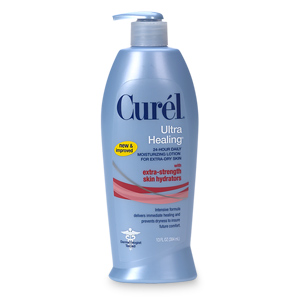
For this activity, I chose to evaluate my Curel Ultra Healing lotion (or, as this website called it, Curel Ultra Healing 24-Hour Daily Moisturizing Lotion for Extra-Dry Skin with Extra-Strength Skin Hydrators dispenser) . I have used this lotion for years and am a firm believer that it works better than any other lotion! Also, I have to be very picky because I am sensitive to many smells that are put in soaps, lotions, etc. and Curel does a great job of making non-irritating products, or so I thought...

The Results

According to the Environmental Working Group's Skin Deep Cosmetic Safety Database, this lotion scored an overall 3 out of 10, making it a "moderate hazard".

Apparently, ingredients in this product are linked to
  • cancer
  • developmental/reproductive toxicity
  • violations, restrictions & warnings
  • allergies/immunotoxicity
Other concerns for ingredients used in this product:
Persistence and bioaccumulation, Organ system toxicity (non-reproductive), Irritation (skin, eyes, or lungs), Contamination concerns

Yikes! And to think that lotion is a product we are constantly letting our skin absorb!

In addition, the manufacturer of Curel, Kao Brands Company, is NOT a Compact for Safe Cosmetics Signer and it is unknown if they conduct animal testing on their products.

Most of the ingredients scored an individual rating of 0, 1, or 2, but acacia senegal gum scored a 4 for allergies/immunotoxicity and organ system toxicity, and DMDH hydantoin scored a 7 for violations, restrictions & warnings; allergies/immunotoxicity; irritation (skin, eyes, or lungs); and contamination concerns.

What this means to me?

Even though I was initially excited that this product only scored a 3, I took a closer look at the study. It appears there is a rather large data gap of 82% for this particular moisturizer. This concerns me because it means many effects are unknown. 93% of ingredients in this product have no data/high uncertainty and no FDA review, 62% have no industry review, and 6% are considered a high hazard. This means that my lotion may not be as "safe" as I think it is!

Now what?

Will I keep using my lotion? To be honest, I probably will. I am interested in trying out some alternatives, however, and I will try to keep an open mind. Perhaps my beloved Curel is not the best after all. In fact, according to this assessment, 33% of moisturizers have lower concerns. I took a look at the list and there were a lot of products with a score of 0 which was encouraging, but as I browsed through them they all had names such as "Rosemary Aromatherapy" or "Orange Sweetness" that for me are just a migraine waiting to happen. I guess I shouldn't give up before I start, however, so I will try to keep my eyes open for new, safer lotions without irritating scents.

I thought this was a good activity to really get us thinking about products we use every day! The last few weeks have gotten me so caught up with thinking what I'm putting IN my body, that I've completed failed to think about what I'm putting ON my body! I'm debating looking up the other toiletries I use on a daily basis... do I really want to know?